By Roy Towse
In a market where well-priced properties draw multiple offers quickly, it can be tempting to cut corners to stay competitive. But skipping or shortchanging the home inspection process is one of the most costly missteps a buyer can take. Even in a move-in-ready home, an inspection can surface issues that change the trajectory of your purchase entirely.
The great news is that Sammamish buyers who take the inspection process seriously are in a much stronger position throughout the transaction. You will know what you are buying before you commit, you will have the property documentation to support negotiations, and you will walk into closing with realistic expectations about the home's condition. That kind of clarity is worth far more than the cost of a few hundred dollars in inspection fees.
Whether you are a first-time buyer or have been through the process before, understanding how inspections work can help you make smarter decisions. The Pacific Northwest's climate, terrain, and housing stock present some inspection considerations that differ from other parts of the country, and knowing what to watch for here will help you get the most out of every evaluation.
Key Takeaways
- A home inspection is a visual assessment of the property's major systems and structure, conducted by a licensed professional before you finalize your purchase.
- Sammamish's rainy climate makes moisture intrusion, drainage, and roof condition particularly important areas of focus during any inspection.
- Buyers should attend the inspection in person if possible and come prepared with questions to get the most useful information.
- Inspection findings give you leverage to negotiate repairs, credits, or a price adjustment.
- Depending on the age and type of property, you may need additional specialized inspections beyond the standard general inspection.
What a Home Inspection Covers
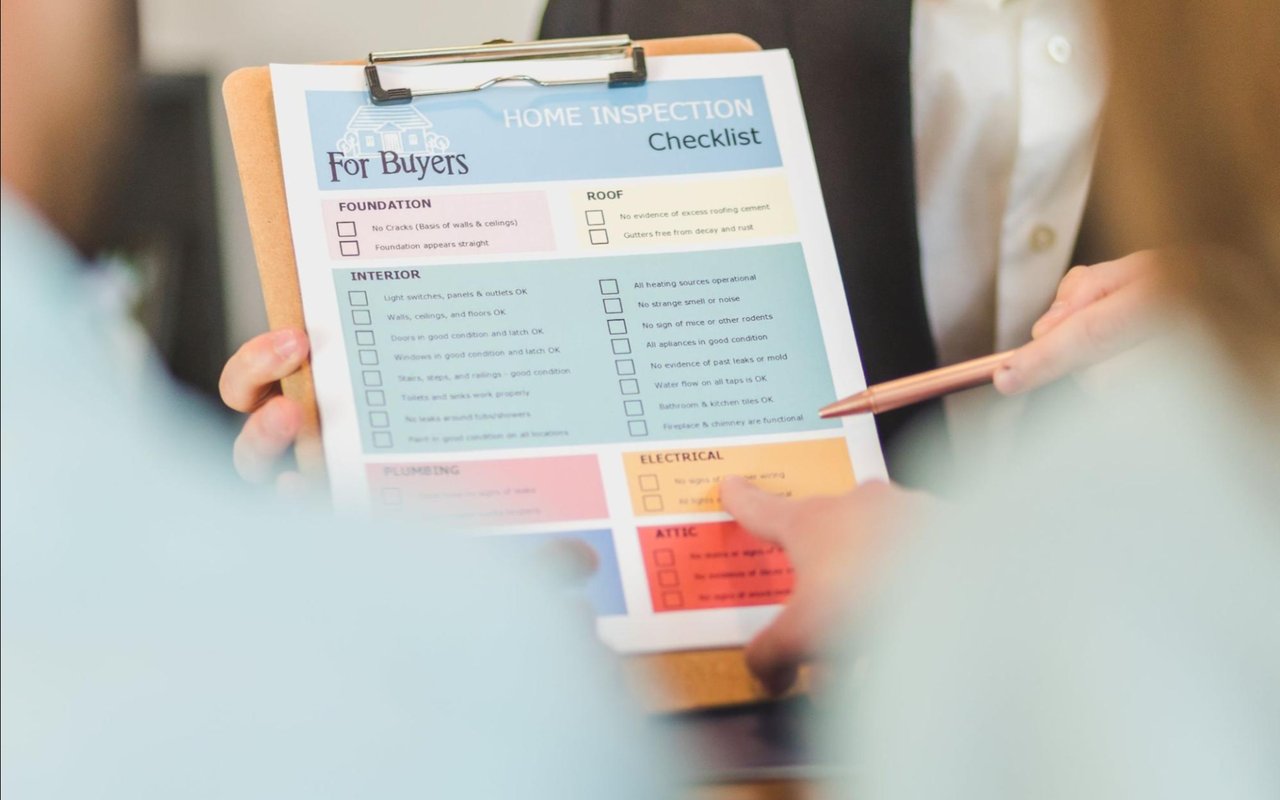
A standard home inspection is a thorough visual evaluation of the property's accessible systems and structural components. Your inspector will work through the home methodically, examining everything from the foundation and framing to the roof, plumbing, electrical system, HVAC equipment, windows, and insulation. The goal is to identify any existing deficiencies or conditions that could lead to problems down the road.
In Washington, home inspectors are required to be licensed through the Department of Labor and Industries, and they must follow a defined standards-of-practice framework. This means you have a baseline expectation of what will and will not be included in the inspection report. The inspection is visual only; inspectors are not required to move furniture, open up walls, or test items that are inaccessible. The report reflects what can be seen and reasonably assessed at the time of the visit.
The written report you receive after the inspection is a detailed document with photos, descriptions of the findings, and often a summary of items categorized by urgency. Most inspectors will distinguish between safety concerns, items that require immediate attention, and maintenance items that should be addressed over time. Reading that report carefully and asking follow-up questions is an important part of the process.
In Washington, home inspectors are required to be licensed through the Department of Labor and Industries, and they must follow a defined standards-of-practice framework. This means you have a baseline expectation of what will and will not be included in the inspection report. The inspection is visual only; inspectors are not required to move furniture, open up walls, or test items that are inaccessible. The report reflects what can be seen and reasonably assessed at the time of the visit.
The written report you receive after the inspection is a detailed document with photos, descriptions of the findings, and often a summary of items categorized by urgency. Most inspectors will distinguish between safety concerns, items that require immediate attention, and maintenance items that should be addressed over time. Reading that report carefully and asking follow-up questions is an important part of the process.
What a Standard Inspection Typically Includes
- Roof condition, including materials, flashing, gutters, and visible signs of wear or damage.
- Foundation and structural components, with attention to any visible settling, cracking, or water infiltration.
- Exterior elements, such as siding, grading, driveways, and walkways as they relate to drainage and structural exposure.
- Electrical systems, including the panel, wiring type, outlets, and visible code compliance concerns.
- Plumbing, covering supply lines, drain function, water heater condition, and fixture operation.
- HVAC systems, including age, condition, and functional testing of heating and cooling equipment.
- Interior components, such as doors, windows, ceilings, floors, and visible insulation.
Why Sammamish Homes Need a Close Look
Sammamish sits in a region with a temperate maritime climate, which means notable annual rainfall, persistent moisture in the shoulder seasons, and conditions that are particularly hard on certain home components over time. If you are buying in this market, your inspector should have familiarity with the specific challenges that Pacific Northwest homes face, and you should know what to pay close attention to when reviewing findings.
Moisture is the dominant concern in virtually any Sammamish home inspection. Water intrusion can manifest in crawl spaces, around windows and doors, in attic spaces, and along foundation walls. Even relatively new homes can show moisture-related issues if drainage grading was not properly maintained or if the gutters and downspouts have been neglected. Over time, moisture in crawl spaces can lead to wood rot, mold, and compromised structural integrity, all of which are expensive to remediate.
The roof’s condition deserves particular attention. The Pacific Northwest's rainy seasons put stress on roofing materials, and moss and algae growth are common on homes in this region. Moss retains moisture and can accelerate the degradation of shingles, so even a roof that looks in great shape from the street may have issues that require closer evaluation. Many buyers in Sammamish opt for a separate specialized roof inspection in addition to the general inspection, especially for older homes.
Moisture is the dominant concern in virtually any Sammamish home inspection. Water intrusion can manifest in crawl spaces, around windows and doors, in attic spaces, and along foundation walls. Even relatively new homes can show moisture-related issues if drainage grading was not properly maintained or if the gutters and downspouts have been neglected. Over time, moisture in crawl spaces can lead to wood rot, mold, and compromised structural integrity, all of which are expensive to remediate.
The roof’s condition deserves particular attention. The Pacific Northwest's rainy seasons put stress on roofing materials, and moss and algae growth are common on homes in this region. Moss retains moisture and can accelerate the degradation of shingles, so even a roof that looks in great shape from the street may have issues that require closer evaluation. Many buyers in Sammamish opt for a separate specialized roof inspection in addition to the general inspection, especially for older homes.
High-Priority Items for Home Inspections in Sammamish
- Crawl space moisture levels, vapor barrier condition, and any evidence of standing water or wood deterioration.
- Roof age and material condition, with specific attention to moss growth, damaged shingles, and flashing around chimneys and skylights.
- Attic ventilation and insulation, which directly affect energy efficiency and moisture buildup in cold and rainy conditions.
- Drainage patterns around the foundation, including slope, downspout extensions, and any evidence of pooling near the structure.
- Window and door seals, as Pacific Northwest’s humidity accelerates seal failure in double-pane windows.
When to Consider Specialized Inspections
A general home inspection covers a broad range of systems but is not designed to provide the depth of evaluation that certain specific issues require. Depending on what comes up in the general inspection, the age of the home, or the characteristics of the property, you may want to bring in specialists for targeted evaluations.
Sewer scope inspections are extremely common in the Seattle metro area, including Sammamish, and for good reason. Older homes may have clay or cast-iron sewer lines that are prone to root intrusion, cracking, or collapse. A sewer scope is a camera-based inspection of the lateral sewer line that runs from the home to the municipal connection, and it can reveal problems that would otherwise only surface after closing in the form of a very expensive repair.
Radon testing is another consideration. Washington state has areas with elevated radon levels, and Sammamish falls in a zone where testing is recommended. Radon is a naturally occurring radioactive gas that can accumulate in homes with below-grade spaces, and long-term exposure carries a health risk. Testing is inexpensive and non-invasive, and mitigation systems are available if elevated levels are found.
Sewer scope inspections are extremely common in the Seattle metro area, including Sammamish, and for good reason. Older homes may have clay or cast-iron sewer lines that are prone to root intrusion, cracking, or collapse. A sewer scope is a camera-based inspection of the lateral sewer line that runs from the home to the municipal connection, and it can reveal problems that would otherwise only surface after closing in the form of a very expensive repair.
Radon testing is another consideration. Washington state has areas with elevated radon levels, and Sammamish falls in a zone where testing is recommended. Radon is a naturally occurring radioactive gas that can accumulate in homes with below-grade spaces, and long-term exposure carries a health risk. Testing is inexpensive and non-invasive, and mitigation systems are available if elevated levels are found.
Specialized Inspections Worth Requesting
- A sewer scope to inspect the lateral line for root intrusion, breaks, or deterioration.
- Radon testing to measure gas levels in below-grade spaces, particularly in homes with basements or crawl spaces.
- A chimney inspection if the home has a wood-burning fireplace or a fireplace insert that has seen regular use.
- A structural engineering evaluation if the general inspection shows foundation concerns or visible settling.
How to Use Inspection Findings in Your Transaction
Most inspections surface at least a few issues, because no home is perfect, and the goal is not a clean report but rather an accurate picture of what you are buying. How you respond to that picture is where your strategy matters.
Buyers typically have a defined inspection contingency period, often five to ten business days after offer acceptance, during which you can conduct inspections and either negotiate based on findings or exit the contract without penalty. I will help you determine which findings rise to the level of requesting repairs or credits and which are routine maintenance items that are reasonable to accept as-is.
Negotiating after an inspection usually takes one of two forms. You can ask the seller to make specific repairs prior to closing, or you can request a price reduction or closing cost credit to account for the cost of addressing issues yourself. Having documented findings from a licensed inspector gives you factual grounding for any requests you make.
Buyers typically have a defined inspection contingency period, often five to ten business days after offer acceptance, during which you can conduct inspections and either negotiate based on findings or exit the contract without penalty. I will help you determine which findings rise to the level of requesting repairs or credits and which are routine maintenance items that are reasonable to accept as-is.
Negotiating after an inspection usually takes one of two forms. You can ask the seller to make specific repairs prior to closing, or you can request a price reduction or closing cost credit to account for the cost of addressing issues yourself. Having documented findings from a licensed inspector gives you factual grounding for any requests you make.
How to Approach Post-Inspection Negotiations
- Prioritize your requests by focusing on safety items and high-cost repairs rather than asking for everything flagged in the report.
- Get contractor estimates for significant findings so that your request is grounded in real numbers.
- Consider requesting a closing credit instead of repairs when you want control over who does the work and how it is done.
- Review the seller's disclosure statement alongside the inspection report.
FAQs
Can I Waive the Inspection Contingency in Sammamish?
Yes, buyers can waive the inspection contingency, and some do in highly competitive offer situations. However, this carries a risk. Without an inspection contingency, you lose your ability to negotiate based on findings or exit the contract if serious issues are discovered. A middle-ground approach that some buyers use is conducting a pre-inspection before making an offer, which allows you to waive the contingency with more confidence.
How Long Does a Home Inspection Take?
For a typical Sammamish single-family home, plan for two to three hours on-site. Larger homes or properties with more complex systems can take longer. You should plan to be present for the full inspection so you can hear findings explained in real time, ask questions, and see problem areas firsthand. The written report typically arrives within 24 hours after the inspection is complete.
What Happens if the Inspector Finds Major Problems?
Finding notable issues in an inspection does not automatically mean the deal falls through. You have options: negotiate with the seller for repairs or a credit, adjust your offer price to reflect the cost of remediation, or, if the issues are serious enough and the seller is unwilling to address them, exit the contract under your contingency. The key is having clear-eyed conversations about what is workable and what represents a deal-breaker, given the purchase price and your own risk tolerance.
Walk Into Closing With Confidence
A home inspection is one of the clearest opportunities you have in the buying process to protect yourself, and buyers who take it seriously walk into closing with something that no amount of competitive pressure can replace: actual knowledge of what they are buying. In a market like Sammamish, where properties move quickly, making the inspection a non-negotiable part of your process is one of the smartest commitments you can make.
The findings in an inspection report are not obstacles. They are information, and information gives you leverage, clarity, and the ability to make decisions that align with your financial and personal goals. When you are ready to start your search in Sammamish, reach out to me, Roy Towse. I will help you navigate every step of the buying process, from your first offer to a smooth closing.
The findings in an inspection report are not obstacles. They are information, and information gives you leverage, clarity, and the ability to make decisions that align with your financial and personal goals. When you are ready to start your search in Sammamish, reach out to me, Roy Towse. I will help you navigate every step of the buying process, from your first offer to a smooth closing.