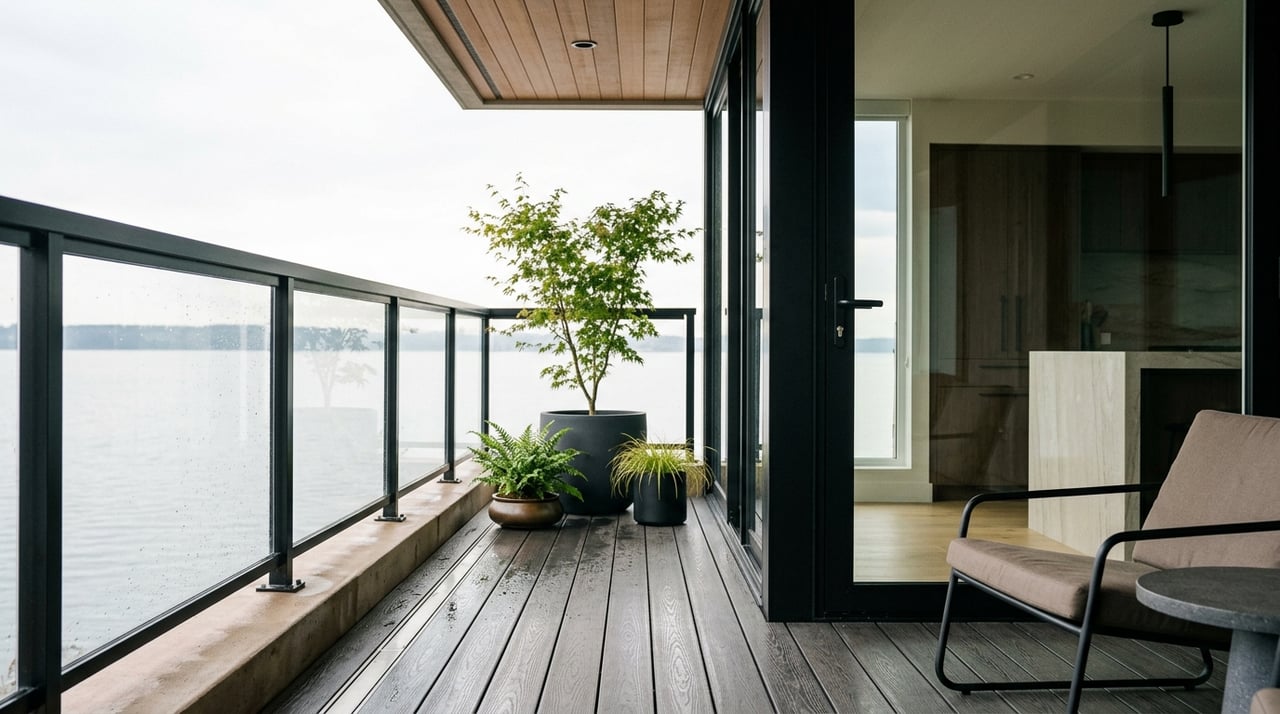
What makes a waterfront truly livable? In Kirkland, the answer is not just the view. It is the way Lake Washington connects to parks, downtown streets, everyday errands, and a range of homes, creating a shoreline you can actually use. If you are exploring Kirkland as a buyer, seller, or future resident, this guide will show you why the waterfront stands out and how that shapes the local lifestyle. Let’s dive in.
Kirkland waterfront feels part of daily life
One of Kirkland’s biggest advantages is that the waterfront is woven into the downtown core instead of sitting apart from it. You are not driving to a separate destination just to see the lake. In many parts of Kirkland, the shoreline, shops, dining, and public spaces all work together in one compact area.
That creates a different kind of experience from larger urban waterfronts. A quick walk can include coffee, a stop at local businesses, time in the park, and a view of Lake Washington. For many people, that blend of convenience and scenery is what makes Kirkland feel so appealing.
Public access helps preserve the shoreline
A major reason Kirkland’s waterfront retains its character is the city’s shoreline framework. The Shoreline Master Program applies within 200 feet of Lake Washington’s ordinary high water mark and requires review for new shoreline development. It also prioritizes public access and water-dependent uses.
In practical terms, that helps keep the shoreline more open, scenic, and relatively low-intensity. Instead of feeling completely built out, the waterfront maintains a sense of space and access. For buyers and homeowners, that often adds to the long-term appeal of living near the lake.
Parks make the waterfront usable
Kirkland’s shoreline is not just something to admire from a distance. It is designed for regular use, which gives it a much more active and approachable feel. The city’s parks and beaches support everything from swimming and picnics to boating and paddle sports.
Marina Park anchors downtown
Marina Park is one of the clearest examples of why Kirkland’s waterfront works so well. Located downtown, it sits close to restaurants and shops and offers a sandy beach, boat launch, public art, open-air pavilion, summer concerts, and views across Lake Washington toward Seattle.
That mix matters because it gives the lakefront an everyday rhythm. You can spend time by the water without planning a full outing, which is a big part of the park’s appeal. It feels integrated into life in downtown Kirkland rather than separate from it.
Moorage adds boating access
For people who enjoy time on the water, Marina Park Dock and 2nd Avenue South Dock provide 82 uncovered moorage slips year round. That adds another layer to the waterfront lifestyle and supports boating access right near the downtown core.
Even if you are not a boat owner, this contributes to the character of the area. It reinforces Kirkland’s identity as a waterfront city where the lake is part of how people spend their time, not just a backdrop.
Beaches support swimming and paddling
Kirkland also has three guarded swimming beaches: Houghton Beach, Waverly Beach, and Juanita Beach. Houghton Beach includes a playground, picnic areas, a sand volleyball court, and a seasonal swimming area. Juanita Beach offers 1,000 feet of shoreline, a seasonal swimming area, and a hand-carried non-motorized boat launch.
This variety makes the waterfront feel flexible and easy to enjoy. Whether you want a casual beach afternoon, a place to launch a kayak or paddleboard, or simply a shoreline setting for a walk, there are multiple ways to use the lake.
Downtown walkability strengthens the appeal
Kirkland’s waterfront would not feel the same without the downtown setting around it. City planning materials describe Greater Downtown Kirkland as a walkable, compact, pedestrian- and transit-oriented area. Historic downtown includes mixed-use commercial space along with high- and medium-density residential uses.
That walkable structure shapes how the waterfront is experienced. Instead of being limited to a scenic stop, the shoreline becomes part of a broader pattern of living, shopping, dining, and moving through town on foot. For many buyers, that is one of Kirkland’s biggest lifestyle draws.
Short trips feel more rewarding
The downtown core is described by the city’s tourism program as a pedestrian-friendly mix of boutiques, locally owned coffee shops, spas, and dining. The Downtown Kirkland Association also highlights events that bring people downtown to shop, dine, see galleries, and enjoy the waterfront.
That means a short trip can do a lot. You can run errands, meet friends, enjoy a meal, and still make time for a lakefront stroll, all without turning the day into a major outing. This convenience is a key part of what separates Kirkland from waterfront areas that feel more destination-based.
Events keep the area active
Seasonal programming adds to that energy. The Kirkland Wednesday Market is scheduled at Marina Park in summer 2026, and the Downtown Kirkland Association says it typically draws about 800 to 1,000 people and 40 to 60 small businesses on market days.
That kind of event activity supports a lively but approachable downtown feel. It gives the waterfront a sense of regular community use and makes the shoreline feel active in ways that go beyond views alone.
Infrastructure supports pedestrian flow
The city is also investing in downtown crosswalk improvements and a primary walking connection between the waterfront and storefronts. That may sound like a small detail, but it matters. Easy connections between the lake and downtown businesses help reinforce the seamless feel that makes Kirkland attractive.
Parking management reflects that same compact, active pattern. The city uses a real-time downtown and waterfront parking availability map and also manages an employee parking program, which speaks to how active and closely connected the core has become.
Housing near the lake offers variety
Kirkland’s waterfront appeal is also tied to the range of housing options near the shoreline. The city’s housing base includes single-family homes, multifamily apartments, and condominiums, and more than 75 percent of the city’s land area is zoned for housing.
For buyers, that means there is not just one way to live near the water. Some people may prioritize a downtown condo or apartment close to shops and the lake, while others may focus on single-family homes in shoreline settings or nearby neighborhoods.
Downtown homes support lake-adjacent living
Historic downtown Kirkland is described as having mixed-use commercial areas alongside high- and medium-density residential uses. That helps explain why many condo and apartment options cluster relatively close to the waterfront.
For people who value convenience, this can be a strong fit. You may not need direct shoreline frontage to enjoy the waterfront lifestyle if you can easily walk to parks, beaches, and downtown amenities.
Shoreline homes are more limited
On the shoreline itself, inventory tends to feel more distinct and more limited. Kirkland’s Shoreline Master Program shapes development along the lake edge, with permit or exemption requirements for many proposals, public-access standards for new development, and area-specific setback standards.
The city also addresses items such as single-family pier design options and shoreline stabilization through specific code provisions. Taken together, those rules help explain why direct-lake homes are relatively scarce and why waterfront properties in Kirkland often carry a unique level of appeal.
Kirkland offers a different waterfront experience
When people compare Eastside and regional waterfronts, Kirkland stands apart because of its scale and integration. Seattle’s waterfront is being rebuilt as a major central promenade with parks, bike facilities, piers, play areas, and connections to larger waterfront attractions. Bellevue’s Meydenbauer Bay project is a phased park-and-marina expansion focused on reconnecting downtown to the lake.
Kirkland offers something different. Its appeal is concentrated in a compact downtown where Marina Park, nearby beaches, housing, and local businesses are all within easy reach of one another. That smaller-scale setup often feels more personal and more tied to everyday routines.
Why this matters for buyers and sellers
If you are buying in Kirkland, the waterfront story can help you think more clearly about what kind of lifestyle you want. Some buyers are drawn to direct shoreline homes for privacy, scarcity, and immediate water access. Others may find just as much value in being near downtown, where they can walk to the lake and enjoy the broader mix of amenities.
If you are selling, understanding this appeal matters too. Buyers are often responding to more than square footage or finish level. They are evaluating how a home connects to parks, walkability, water access, and the overall rhythm of life near the lake.
For luxury and waterfront properties especially, that local context can shape positioning, presentation, and buyer interest. In a market like Kirkland, location value is often tied to lifestyle patterns that are easy to overlook unless you know the area well.
The real draw is integration
At the highest level, Kirkland’s waterfront is appealing because it feels connected. Parks, boating access, beaches, downtown businesses, events, and housing all sit close together, while shoreline regulation helps preserve openness and access along the lake.
That combination creates a waterfront that is beautiful, practical, and hard to replicate. It gives Kirkland a lakefront identity that feels polished but still approachable, which is a big reason so many buyers continue to pay attention to this part of the Eastside.
If you are considering a move to Kirkland, buying near the water, or preparing to sell a home that benefits from this lifestyle, working with a local advisor can make the decision clearer. Connect with Roy Towse for strategic guidance on Kirkland and the broader Eastside market.
FAQs
Why is Kirkland’s waterfront different from other Lake Washington waterfront areas?
- Kirkland’s waterfront stands out because it is closely integrated with downtown parks, shops, dining, events, and housing, creating a more everyday, walkable lakefront experience.
What public waterfront access does Kirkland offer?
- Kirkland offers public access through places like Marina Park, Houghton Beach, Waverly Beach, and Juanita Beach, with amenities that support swimming, picnicking, boating, and shoreline recreation.
How does Kirkland protect its shoreline character?
- The city’s Shoreline Master Program regulates development within 200 feet of Lake Washington’s ordinary high water mark and prioritizes public access and water-dependent uses.
What types of homes are available near Kirkland’s waterfront?
- Housing near the waterfront includes single-family homes, apartments, and condominiums, with many condo and apartment options located near downtown and more limited direct-shoreline inventory along the lake.
Is downtown Kirkland walkable near the waterfront?
- Yes, city planning materials describe Greater Downtown Kirkland as walkable, compact, and pedestrian-oriented, which helps connect the waterfront to daily errands, dining, and community events.